
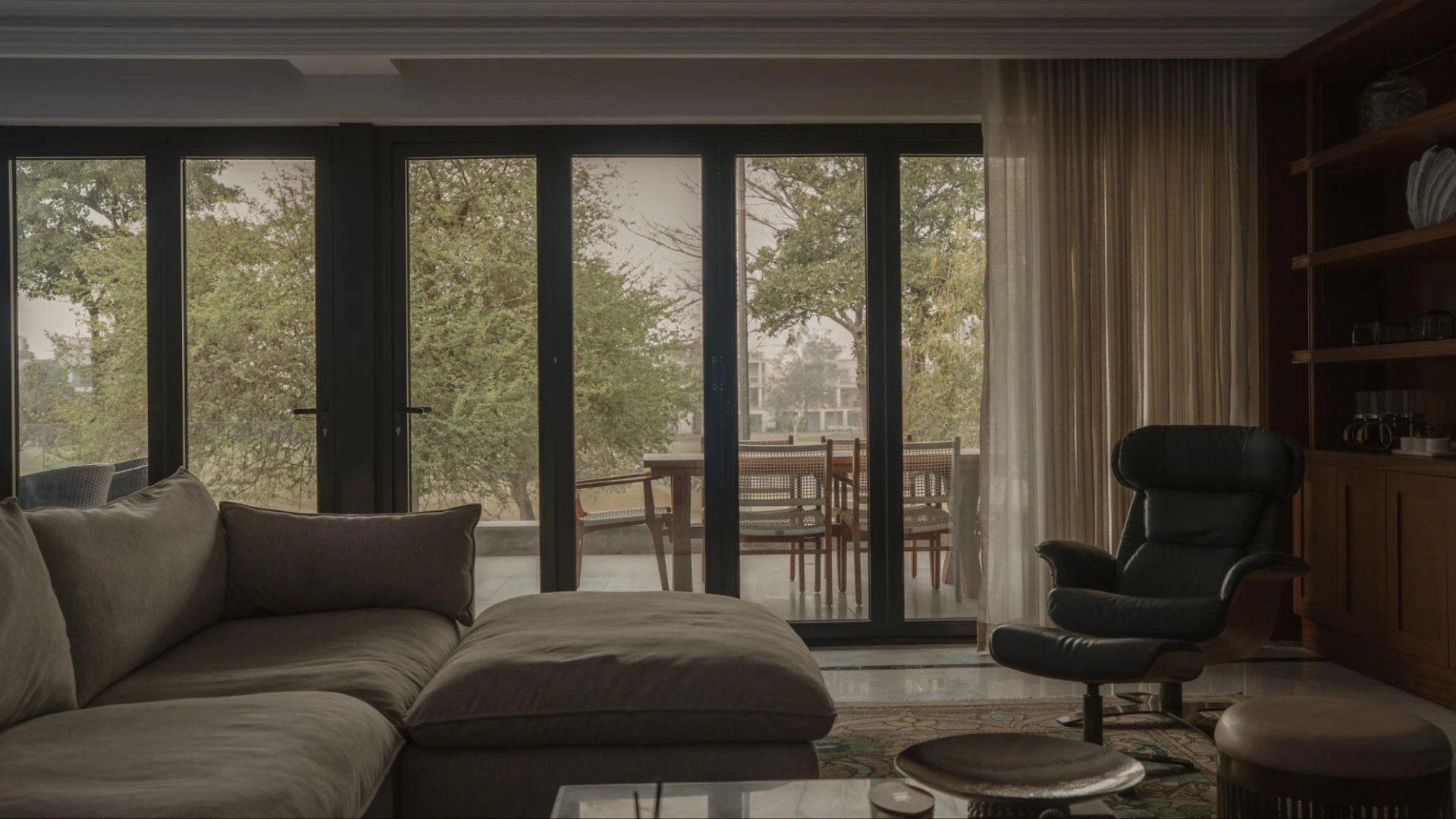
Luxury in interior design is often mistaken for expense.
Rare materials. Statement furniture. Bespoke pieces. Recognisable names.
These can all be part of a luxurious interior, but they are not what make an interior luxurious.
At SIAS, we see luxury differently. It lies in the quality of thought behind a space: how it is proportioned, how materials meet, how light changes throughout the day, how easily people move through it, and how naturally it responds to the lives being lived within it.
The most successful interiors rarely need to announce their value.
You feel it.
“The most successful interiors do not announce their value. They reveal it through proportion, material, light and detail.”
SIAS Design Philosophy
Luxury Begins With Proportion
Before material, furniture or decoration, there is space.
The proportions of a room influence almost everything that follows: the scale of furniture, the rhythm of architectural elements, the relationship between solid and void, and even how intimate or expansive a space feels.
A beautifully furnished room can still feel unresolved when its proportions are wrong. Equally, a relatively simple interior can feel exceptional when scale, balance and movement have been carefully considered.
This is why we begin by looking at the interior as a whole.
Where should the eye travel when someone enters? How should one space transition into another? Where should furniture sit naturally rather than simply fit? Which areas should feel open, and which should feel more contained?
These decisions establish the underlying order of an interior long before the decorative layers are introduced.
Good spatial planning often goes unnoticed. That is precisely the point.
When proportion, circulation and scale have been carefully resolved, the interior begins to feel effortless.
Materiality Should Be Felt, Not Displayed
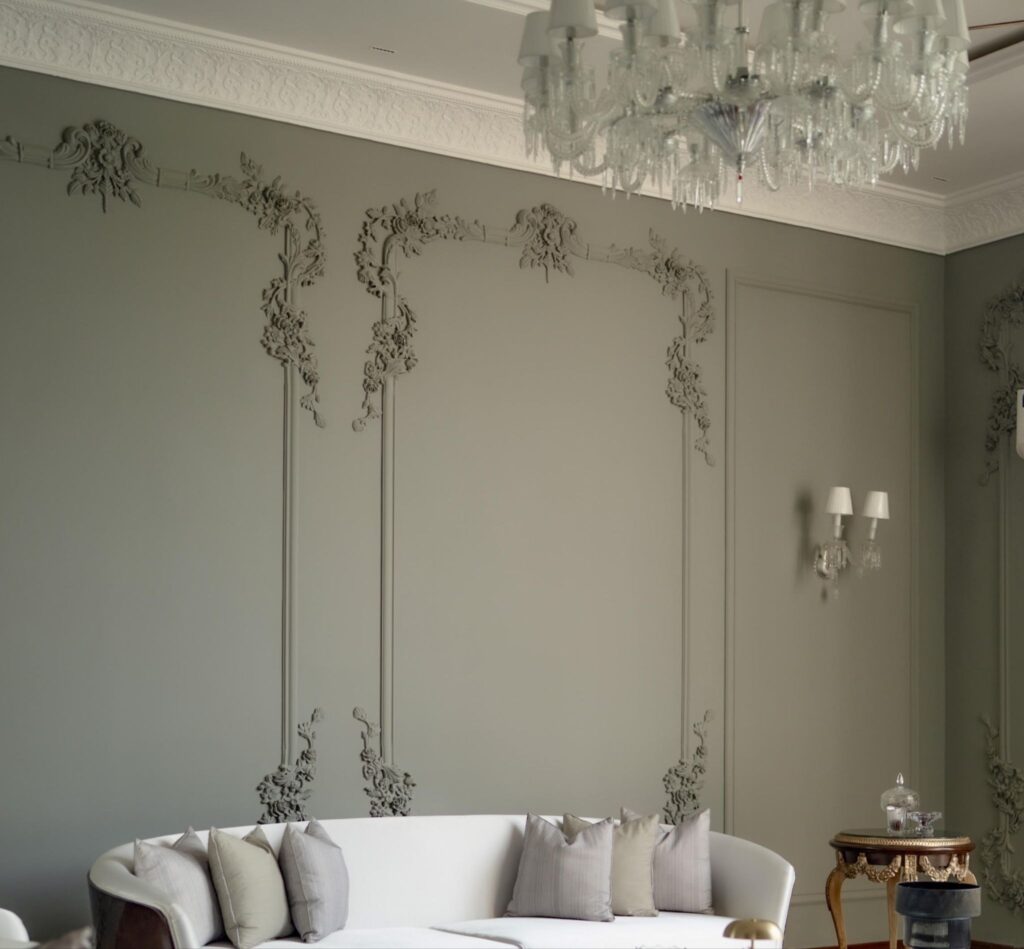
Luxury is not created by using the greatest number of expensive materials. It comes from choosing materials with intention and understanding how they work together.
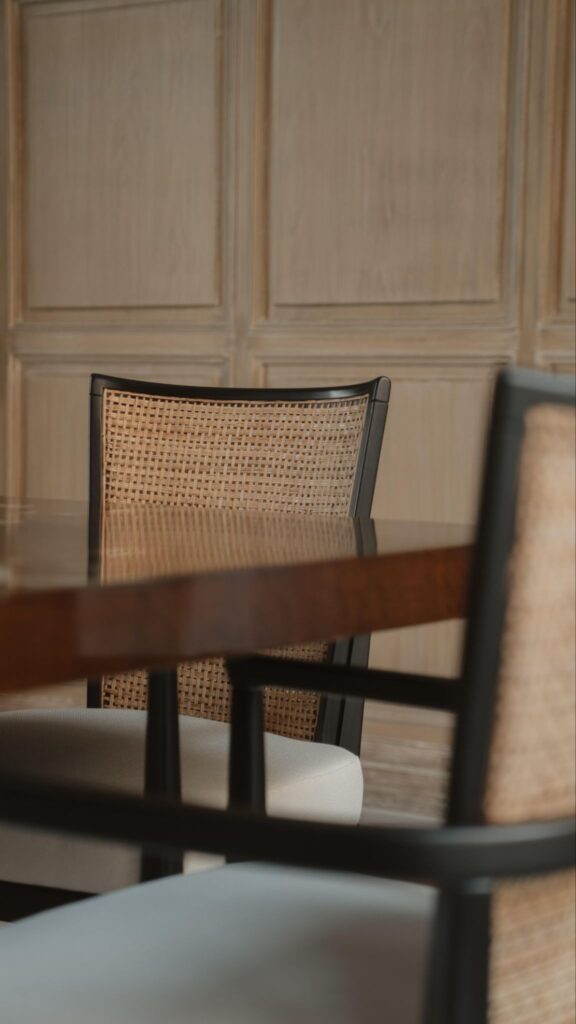
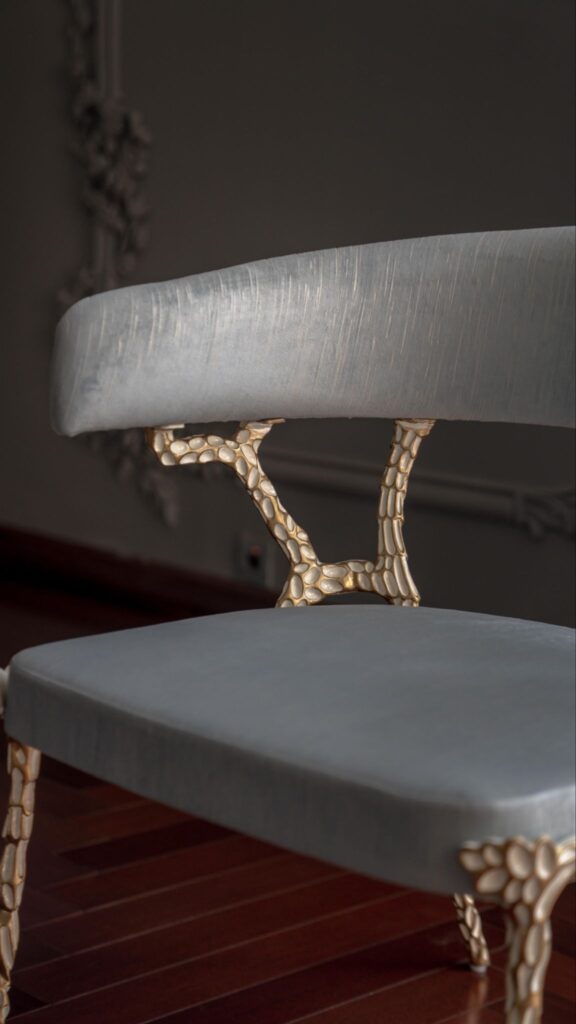
Natural stone with variation. Timber with visible grain. Metals that develop character over time. Textiles with depth and tactility. Plaster, glass, leather and crafted surfaces that respond differently to light and touch.
What matters is the relationship between them.
A highly figured stone may need something quieter beside it. The warmth of timber can soften the precision of metal. A textured surface becomes more powerful when contrasted with something restrained.
Material selection is therefore less about assembling a catalogue of beautiful finishes and more about creating balance.
Equally important is how those materials are detailed.
Where does one finish stop and another begin? How is an edge resolved? How does stone turn a corner? Where are joints placed? What should sit flush, recessed or proud?
These decisions may occupy only millimetres on a drawing, yet they have an enormous effect on how refined the finished interior feels.
Luxury often lives in those millimetres.
Light Is Part of the Interior
Light should never be treated as something added after an interior has been designed. It is one of the elements that shapes it.
Natural light changes a room continuously. Morning light reveals materials differently from evening light. Stone becomes softer. Timber becomes warmer. Shadows give depth to surfaces that might otherwise appear flat.
Artificial lighting deserves the same consideration.
Rather than simply asking whether a room is bright enough, we consider layers of light: what should be emphasised, what should recede, where warmth is required and where shadow should remain.
Not every corner needs to be illuminated.
Sometimes atmosphere comes from what is deliberately left in shadow.
The relationship between light and material is particularly important. A textured wall illuminated gently from one direction can become an architectural feature without requiring decoration at all.
When lighting is considered from the beginning, it becomes almost inseparable from the interior.
“The best interiors are not designed. They are discovered through patience, conversation, and an unwillingness to accept the obvious.”
SIAS Design Philosophy
Personalisation Goes Beyond Style
A beautiful interior should not feel as though it could belong to anyone.
It should belong to the people who inhabit it.
Personalisation in interior design goes far beyond selecting a preferred colour palette or identifying an aesthetic. It begins with understanding how someone actually lives.
Where does the family naturally gather? Is the home frequently used for entertaining? Are there objects collected through travel that deserve a place within the interior? Is privacy important? Does the client prefer formality, or a more relaxed way of living?
These questions influence decisions that are far more meaningful than style alone.
They affect circulation, storage, furniture arrangements, lighting, material choices and the relationship between rooms.
The result should not feel designed around a trend or imposed aesthetic.
It should feel unmistakably connected to its inhabitants.
Restraint Creates Confidence
There is a temptation in luxury interiors to make every element exceptional.
Exceptional stone. Exceptional lighting. Exceptional furniture. Exceptional art. Exceptional detailing.
But when everything demands attention, nothing truly has it.
The strongest interiors understand hierarchy.
Some elements lead. Others support them. Certain surfaces remain deliberately quiet. Empty space is allowed to exist.
Restraint does not mean minimalism.
An interior can be richly layered, colourful or highly decorative and still demonstrate restraint. What matters is knowing where the eye should rest, where it should travel and when the composition is complete.
Editing is therefore as important as adding.
Sometimes the most valuable design decision is deciding that nothing more is required.
Ready to transform your space? Contact siasdesign.com to begin your journey.